Thematic Module: Clean Energy, Built Environment & Critical Infrastructure
Module Goal: To analyze the transition toward decarbonized transit, energy-efficient housing, and climate-resilient municipal infrastructure in Cape Breton-Unama’ki.
1. Thematic Overview
This module examines the physical re-tooling of the island’s infrastructure. It focuses on how rural and urban municipalities, in collaboration with Mi’kmaw communities, are upgrading critical systems—water, waste, energy, and transit—to withstand extreme weather while simultaneously reducing greenhouse gas emissions.
2. Context & Rationale (The “Why”)
Cape Breton’s built environment is aging and was largely designed for a stable climate that no longer exists. Increasing storm surges, coastal erosion, and energy poverty necessitate a shift from “reactive maintenance” to “proactive adaptation”. This theme addresses the need for infrastructure that is not only “net-zero” but also durable enough to maintain essential services during climate-induced disruptions.
3. Detailed Adaptation Approaches (The “How”)
- Energy Retrofits & Housing (CBRM): The Home Energy Assessment & Retrofit Program reduces energy poverty by providing residents with the technical “scaffolding” to transition away from oil heating to efficient electric heat pumps.
- Decarbonized Transit (Victoria County & Wagmatcook): Initiatives like the Electric Vehicle (EV) Pilot and the Active Transportation (AT) Network in Wagmatcook focus on “last-mile” connectivity. This includes expanding non-motorized trails and EV charging infrastructure to reduce rural reliance on single-occupancy fossil fuel vehicles.
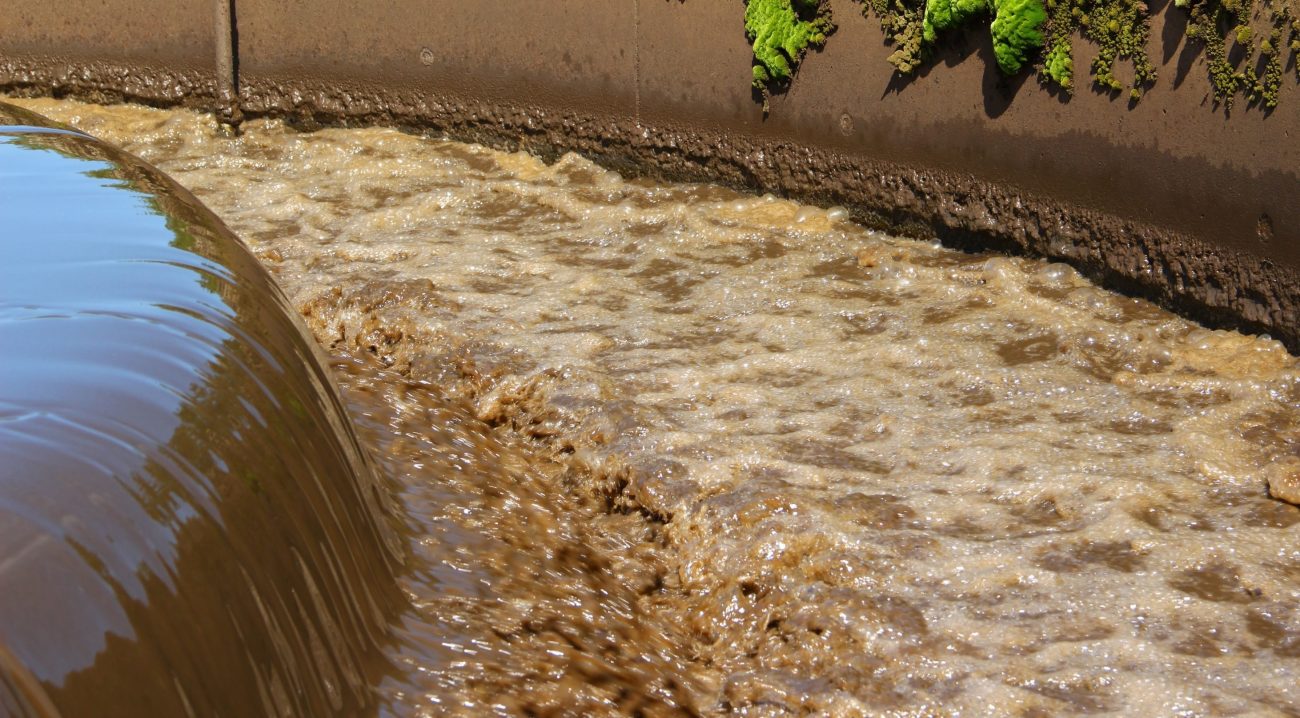
- Resilient Water Systems (Richmond & Inverness): Upgrades to the Arichat/Petit-de-Grat and Whycocomagh–We’koqma’q treatment plants prioritize flood protection and advanced filtration to ensure safe drinking water and effective wastewater management during high-precipitation events.
4. Notable Outcomes & Impact
- Energy Cost Reduction: Over 500 households in the CBRM have engaged with the retrofit program, significantly lowering their monthly energy expenditures.
- Multi-Community Collaboration: The Whycocomagh–We’koqma’q wastewater project serves as a model for “Service Agreements” between a municipality (Inverness) and a First Nation (We’koqma’q), sharing costs and technical expertise.
- Zero-Emission Mobility: The integration of the Wagmatcook AT Network with Victoria County transit creates a regional blueprint for rural, car-free accessibility.
6. Challenges & Strategic Barriers
- High Capital Requirements: Infrastructure upgrades require multi-million dollar investments that often depend on complex federal-provincial-municipal cost-sharing agreements.
- Inter-jurisdictional Coordination: Coordinating services across municipal and First Nation borders requires significant “relational work” and legal negotiation.
- Supply Chain/Labor Shortages: The rapid demand for heat pumps, EV chargers, and specialized engineering for water plants often exceeds local capacity.
7. Educational Significance for the Summer Institute
This module provides a site for students to analyze “Infrastructure as Governance.” Key learning points include:
- The Energy-Housing Nexus: How technical retrofits act as a social safety net by mitigating energy poverty.
- Service Agreements: Evaluating the “Whycocomagh model” as a tool for relational governance between Indigenous and non-Indigenous governments.
- Active Transportation: Designing rural spaces that prioritize human movement over vehicle traffic, fostering both health and environmental resilience.
