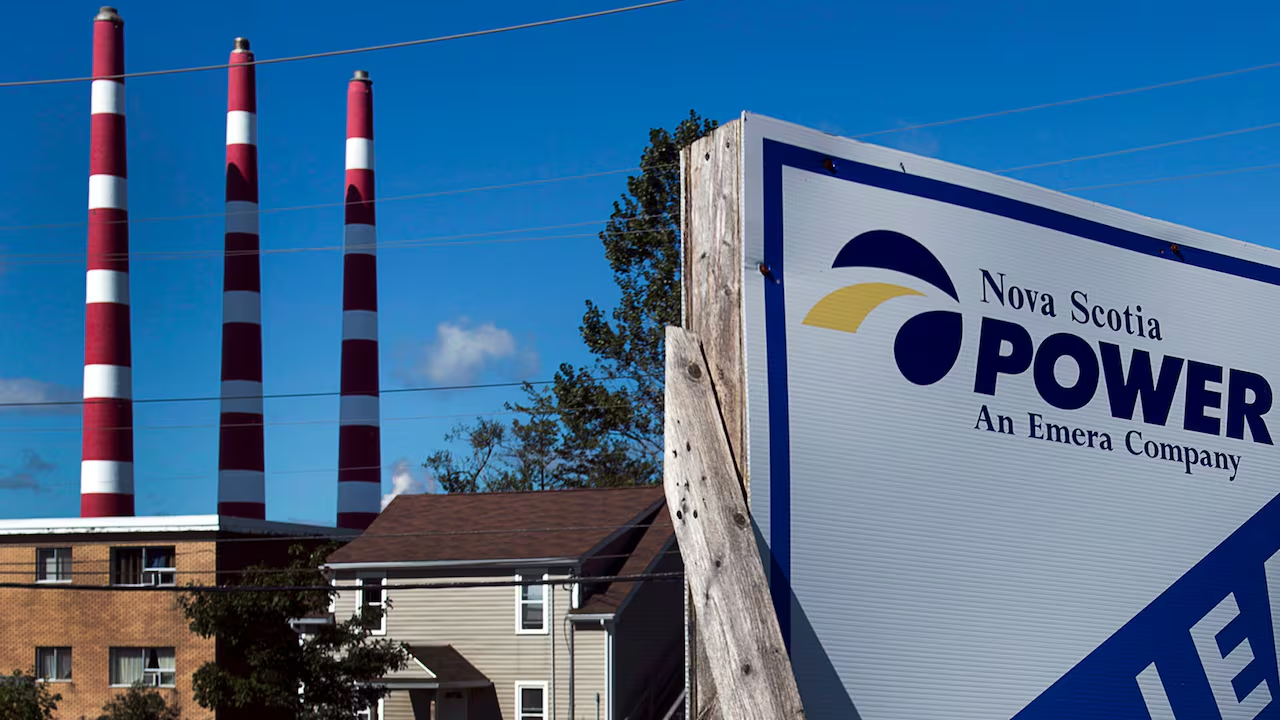
Image from CBC
I attended an energy poverty event in Cape Breton recently. The numbers are stark enough on their own. Nova Scotia holds 3% of Canada’s population and produces 34% of its coal-fired power emissions. Residential bills have climbed roughly 32% since 2015. Cape Breton has the second-highest rate of energy poverty in the country. But what landed harder than any statistic was hearing a community member describe utility bills as “a second rent payment.” That’s not an abstraction. That’s people choosing between heat and food.
This intersects directly with the work I do through Homeward Bound NS, where we’re examining what it means to age well in rural communities. Energy insecurity is not a peripheral issue for aging populations. It sits right at the centre of housing stability, health, and dignity. Cold homes, unaffordable bills, and deferred retrofits compound the vulnerabilities that older rural Nova Scotians already face. The transition away from coal has to be fast enough to meet climate targets and careful enough not to leave people behind in the process.
One of my students, the very talented Johnie Han, put together the brochure at the end of this post to communicate where things stand and what’s already underway locally. I was impressed by how well it captures both the structural roots of the problem and the remarkable community-level response already happening, from Mi’kmaw equity partnerships in offshore wind to Eskasoni Renewables training band members in solar installation to New Dawn piloting community solar at Pine Tree Park. The clean energy economy is being built here. The question is whether it gets built with the people who need it most, or around them.
The brochure is designed for public events and community conversations. I’m sharing it here because the information is genuinely useful, and because I think well-made public-facing resources deserve a wider audience. If you’re a Cape Breton resident wondering what programs are currently available to help with heating costs or home retrofits, the third page has a table worth bookmarking. If you’re a researcher, policymaker, or anyone thinking about just transition and rural aging, the whole thing is worth a read.
