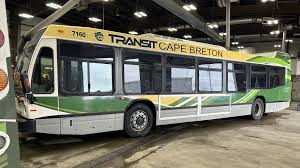
Climate Adaptation Case Study: CBRM Electric Bus Pilot
Theme: Urban Infrastructure, Technological Capacity, and Decarbonized Public Transit
1. Initiative Overview
- Lead Organization: Cape Breton Regional Municipality (CBRM) Transit
- Project Title: Transit Cape Breton Electric Bus Pilot
- Region: Cape Breton Regional Municipality (CBRM)
- Organization Type: Municipal Government
2. Context and Rationale
The Cape Breton Regional Municipality faces the dual challenge of an aging public transit fleet and the urgent need to meet provincial and federal greenhouse gas emission targets. Public transit is a critical service for students, low-income residents, and the elderly, but the current reliance on diesel-powered buses contributes significantly to urban air pollution and carbon emissions. This pilot initiative represents the first step in a long-term transition toward a fully zero-emission urban transit system, testing the viability of electric vehicle (EV) technology in a cold-climate, maritime environment.
3. Detailed Adaptation Approaches
This initiative moves adaptation from “niche” community pilots to large-scale municipal infrastructure.
- Technological Integration: The pilot involves the procurement and operation of battery-electric buses (BEBs) to replace retiring diesel units.
- Grid and Infrastructure Hardening: A significant portion of the initiative focuses on the “behind-the-meter” infrastructure, including high-capacity charging stations at the transit depot and potential strategic “opportunity charging” locations.
- Data-Driven Transition: The pilot serves as a research laboratory to collect data on battery performance during Cape Breton’s winters, energy consumption per route, and the total cost of ownership compared to traditional diesel fleets.
- Urban Accessibility: By modernizing the fleet, CBRM aims to improve service reliability and comfort, encouraging a “modal shift” away from private vehicle use toward public transit.
4. Notable Outcomes and Impact
- Emission Reductions: Each electric bus deployed significantly reduces the municipal carbon footprint, eliminating tonnes of $CO_2$ annually compared to diesel equivalents.
- Operational Learning: The pilot has provided the municipality with critical insights into the training requirements for mechanics and drivers transitioning to EV technology.
- Strategic Planning: Results from this pilot are informing the CBRM Transit Electrification Master Plan, which outlines the roadmap for a 100% zero-emission fleet by 2030.
5. Resilience Scoring Section
This scoring reflects the technical complexity and systemic impact of urban transit electrification.
| Category | Score | Rationale |
| Technological Capacity | 5 / 5 | Implements cutting-edge marine/maritime-adjacent EV tech for heavy-duty urban use. |
| Environmental Impact | 5 / 5 | Directly eliminates tailpipe emissions in high-traffic urban corridors. +1 |
| Adaptive Capacity | 3 / 5 | Reduces reliance on fossil fuels, though it increases dependence on grid stability. +1 |
| Operational Durability | 3 / 5 | High-performing tech, but requires significant ongoing capital and specialized labour. |
| TOTAL SCORE | 16 / 20 | High Technical Resilience |
6. Challenges and Strategic Barriers
- Upfront Capital Costs: Electric buses are significantly more expensive than diesel buses, requiring heavy reliance on federal funding programs like the Zero Emission Transit Fund.
- Cold Weather Battery Degradation: Ensuring consistent range during Cape Breton’s sub-zero winter temperatures remains a primary technical concern for route planning.
- Grid Capacity: Scaling beyond a few pilot buses will require substantial upgrades to the electrical grid near transit hubs to handle the simultaneous charging of multiple heavy-duty vehicles.
7. Educational Significance
The CBRM Electric Bus Pilot provides a critical contrast to the “relational” rural transit models. It allows students to analyze:
- The Urban/Rural Divide: How adaptation strategies differ when dealing with high-density municipal systems versus decentralized community networks.
- Industrial Transition: The logistics of re-tooling a government department (Transit) for a green economy.
- Public Policy & Funding: The role of intergovernmental transfers in making “large-scale” climate adaptation possible at the local level.
