Thematic Module: Green Energy Systems and Transitional Infrastructure
Module Goal: To evaluate the shift from fossil fuel dependence to diversified green energy systems, examining the intersection of large-scale industrial projects and community-led energy sovereignty.
1. Thematic Overview
This module explores Cape Breton’s transition into a regional energy hub through wind, hydro, solar, and green hydrogen. It emphasizes the “multi-scalar” nature of energy adaptation: from massive industrial decarbonization efforts like green ammonia production to household-level financing programs that empower individual residents to reduce their carbon footprint.
2. Context & Rationale (The “Why”)
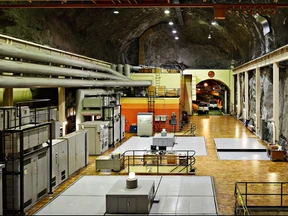
Cape Breton’s economy was historically built on coal, leaving a legacy of environmental impact and a high reliance on carbon-intensive electricity. As federal and provincial mandates push for a net-zero grid by 2050, the island must re-tool its existing industrial infrastructure, such as the Wreck Cove hydro facility and the Point Tupper industrial park, to support a modern, resilient energy landscape.
3. Detailed Adaptation Approaches (The “How”)
- Industrial-Scale Decarbonization (EverWind & Wreck Cove): Projects like EverWind’s Green Hydrogen initiative utilize wind power to produce green ammonia for export and local use, replacing carbon-heavy fuels. Simultaneously, life-extension projects at Wreck Cove ensure that the province’s largest source of renewable “firm” power remains operational for the next generation.
- Indigenous Energy Sovereignty (Eskasoni Cold Logistics): The Eskasoni Cold Logistics Solar Project integrates renewable energy directly into the community’s economic infrastructure. By powering cold storage facilities with solar energy, the community reduces operational costs and strengthens its food/fishery supply chain resilience.
- Utility-Scale Wind (Rhodena Wind): The Rhodena Wind Project represents a partnership-based approach to large-scale generation, adding significant renewable capacity to the grid while providing community benefits and local tax revenue.
- Accessible Financing (Inverness Clean Energy Financing): To ensure that “green energy” is not just for industry, the Clean Energy Financing Program allows residents to fund home energy upgrades (like heat pumps and solar) through their property taxes, removing the upfront capital barrier to adaptation.
4. Notable Outcomes & Impact
- Grid Stability: The Wreck Cove refurbishment ensures 215 MW of renewable capacity remains available to balance intermittent wind and solar on the provincial grid.
- Economic Transformation: EverWind is positioned to become North America’s first commercial-scale green hydrogen facility, creating a new “green” industrial sector in Richmond County.
- Community Autonomy: Eskasoni’s solar integration reduces the community’s vulnerability to rising commercial power rates, keeping more wealth within the First Nation.
6. Challenges & Strategic Barriers
- Infrastructure Bottlenecks: Large-scale projects like EverWind and Rhodena require significant upgrades to the transmission grid to move power from rural sites to load centers.
- Intermittent Nature of Renewables: While wind and solar are vital, the island requires “firming” resources (like Wreck Cove hydro) to ensure reliability during peak winter demand.
- Upfront Costs: Even with financing programs, the total cost of a green energy transition is high, requiring sustained public and private investment.
7. Educational Significance for the Summer Institute
This module provides a critical site for studying “Systems Change in Real Time.” Key learning points include:
- The Energy Nexus: How green energy supports other sectors, such as Eskasoni using solar to stabilize food logistics.
- Scalable Policy: Analyzing how the Inverness financing model could be applied island-wide to combat energy poverty.
- Industrial Ecology: Studying how the Point Tupper site is being repurposed from a fossil-fuel legacy to a green-hydrogen future.
