Thematic Module: Sustainable Tourism, Heritage, and Climate Storytelling
Module Goal: To explore how tourism can be re-imagined as a tool for climate adaptation, cultural preservation, and land-based education in Cape Breton-Unama’ki.
1. Thematic Overview
This module examines the transition from extractive, high-carbon tourism to “relational tourism”—models that prioritize ecological integrity, Indigenous sovereignty, and community well-being. By integrating cultural heritage sites, nature-based infrastructure, and place-based storytelling, this theme demonstrates how the tourism sector can act as a catalyst for regional resilience rather than a burden on local resources.
2. Context & Rationale (The “Why”)
Tourism is a primary economic driver for Cape Breton, but it is highly vulnerable to climate impacts like coastal erosion and extreme weather. Traditional models often create seasonal strain on municipal infrastructure and dilute local culture. This initiative responds by showcasing projects that use tourism as a vehicle for knowledge mobilization, teaching visitors and locals alike about the importance of land-based adaptation and Mi’kmaw history.
3. Detailed Adaptation Approaches (The “How”)
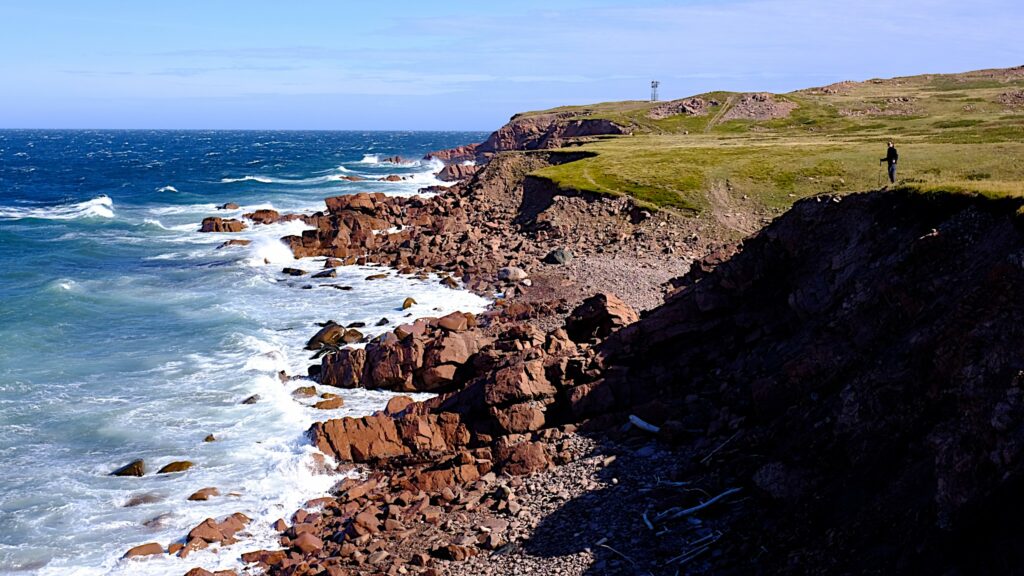
- Nature-Based Coastal Infrastructure (Jajiktek – Seawall Trail): This project utilizes a “low-impact” trail design that follows the coastline, doubling as a mechanism for monitoring coastal erosion while supporting local economic development.
- Indigenous Land-Based Pedagogy (Eskasoni Cultural Journeys): By offering immersive experiences like the Goat Island tour, Eskasoni First Nation turns tourism into a classroom for Netukulimk, demonstrating how traditional knowledge can guide contemporary sustainability.
- Heritage & Cultural Resilience (Membertou Heritage Park): This site serves as a physical “meet-up hub” for cultural preservation. It ensures that the story of the Mi’kmaq is led by the community, protecting cultural integrity against the pressures of commercialization.
- Strategic Growth & Management (Victoria County): The Sustainable Tourism Growth Initiative focuses on balancing visitor numbers with ecological capacity, using “scaffolding” such as improved signage and infrastructure to steer tourists toward lower-impact, place-based activities.
4. Notable Outcomes & Impact
- Economic Diversification: Eskasoni Cultural Journeys has successfully created local jobs that are rooted in cultural pride and environmental stewardship.
- Coastal Protection Awareness: The Seawall Trail has become a flagship for “eco-tourism,” raising awareness of North Atlantic coastal vulnerability among international visitors.
- Cultural Sovereignty: Membertou Heritage Park has established a benchmark for Indigenous-led tourism that prioritizes community education alongside the visitor experience.
6. Challenges & Strategic Barriers
- Seasonality and Climate Risk: Extreme weather events increasingly disrupt the peak tourism season, requiring the sector to develop “shoulder season” offerings that are less weather-dependent.
- Infrastructure Strain: Balancing the surge in visitor numbers with the capacity of rural water, waste, and energy systems remains a constant tension.
- Authenticity vs. Commercialization: Maintaining the “relational” depth of Indigenous experiences while meeting the expectations of a global market requires careful governance.
7. Educational Significance for the Summer Institute
This module invites students to re-evaluate the “Visitor Economy” through the lens of adaptation. Key learning points include:
- Place-Based Storytelling: Using the landscape itself as a teacher for climate resilience.
- Relational Tourism: Designing experiences that leave the community and the land better off than they were found.
- Governance of the Commons: How municipalities and First Nations can co-manage popular natural sites to prevent over-tourism.
