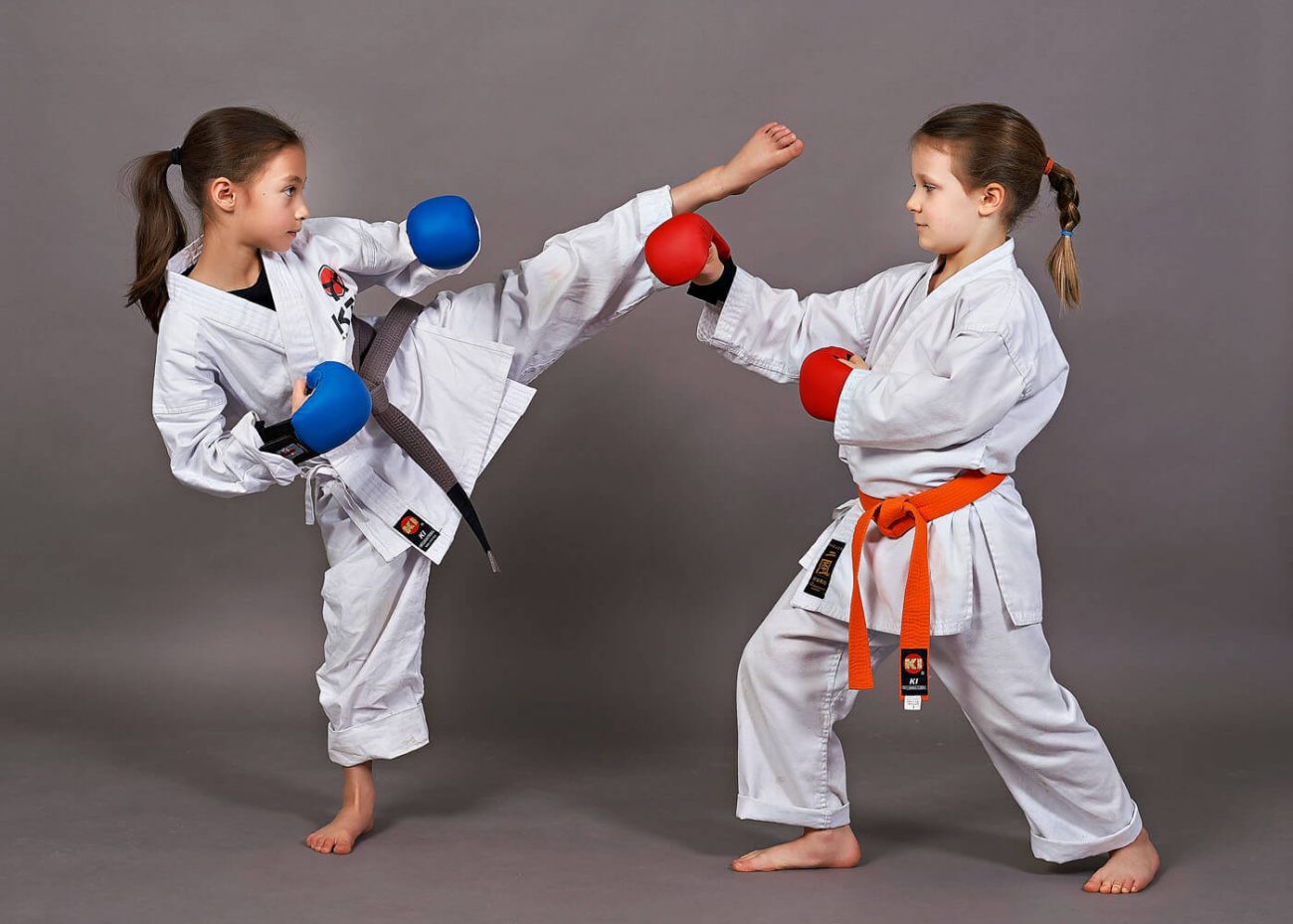
Research Focus: An exploration of how martial arts academies in Cape Breton, specifically Capers Jiu-Jitsu and ZombieProof Martial Arts, serve as vital sites for youth development, social inclusion, and Community Economic Development (CED).
Executive briefs are snapshots of a research project completed by one of my students. You can see the full list of projects here.
The Core Concept: Beyond Physical Training
The research argues that martial arts gyms in rural areas like Cape Breton are not just businesses or sports clubs; they are Third Places (essential social environments outside of home and school) that generate significant Social Capital. By fostering discipline and belonging, these spaces provide a protective social infrastructure for local youth.
Key Findings: The Triple Impact
The study identifies three primary ways these academies contribute to the community:
- Personal Growth & Self-Efficacy:
- Martial arts provide a structured environment where youth develop internal assets like discipline, emotional regulation, and resilience.
- This non-cognitive skill building is a precursor to professional success and civic engagement later in life.
- Social Inclusion & “Belonging”:
- These gyms act as equalizers, bringing together diverse groups (including international students and local residents) under a shared identity.
- For Cape Breton’s growing international population, these spaces provide a low-barrier entry point into the local social fabric.
- Positive Alternatives & Mentorship:
- In regions facing socio-economic challenges, martial arts academies offer positive alternatives to boredom or antisocial behaviour.
- The coach-student relationship often evolves into a form of informal mentorship that fills gaps in traditional social services.
Strategic CED Implications
- The Anchor Business Model: Unlike large commercial gyms, these academies are deeply embedded in the local economy. They keep wealth circulating locally and often collaborate with other small businesses.
- Social Infrastructure: The research suggests that policy-makers should view martial arts spaces as partners in public health and youth crime prevention initiatives, rather than just private enterprises.
- Asset-Based Development: These gyms are existing community assets. The study highlights how a bottom-up approach to youth engagement, using sports that kids actually want to do, is more effective than top-down government programming.
Practical Recommendations
- Formalize Partnerships: Local municipalities should consider partnerships with martial arts academies for after-school credits or youth-at-risk diversion programs.
- Subsidized Access: To maximize social inclusion, these spaces could be supported through community access grants to ensure that low-income families are not priced out of the benefits of training.
- Highlight the Culture: Marketing efforts for Cape Breton should highlight these unique social hubs as evidence of a vibrant, inclusive, and active local culture to help attract and retain new residents.
