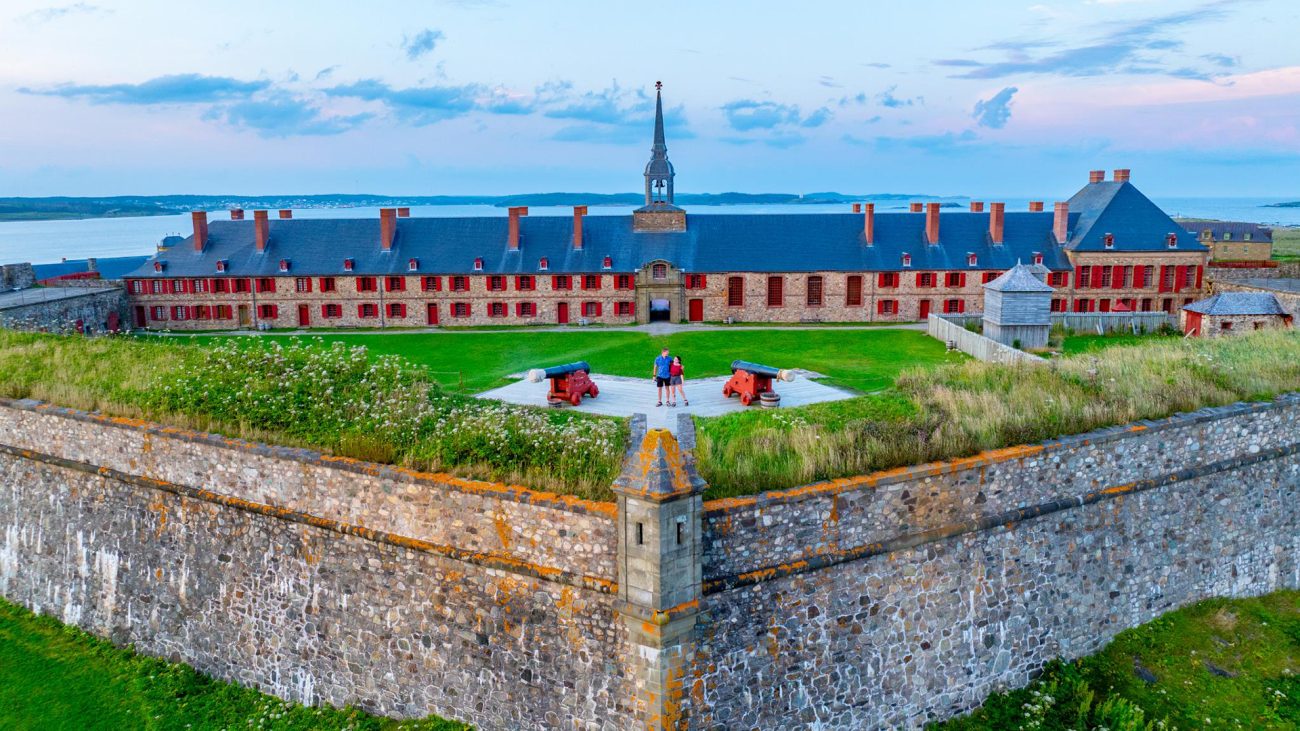
Research Focus: A comparative study of the Fortress of Louisbourg, Membertou Heritage Park, and Eskasoni Cultural Journeys (2015–2024).
Executive briefs are snapshots of a research project completed by one of my students. You can see the full list of projects here.
Completed by MBA student Muchuan Yang.
The Core Challenge
While tourism is a major economic driver in Cape Breton, its actual benefit to local communities is often “invisible” in public records. This study used a visibility lens to determine what the public can actually verify about job quality, local purchasing, and cultural participation.
Key Findings: The Visibility Gradient
The research identified a consistent gap between “front-stage” stories (what visitors see) and “back-stage” mechanics (how the economy actually works).
| Outcome Area | Visibility Rating | Summary of Findings |
| Cultural Participation | Visible | The strongest area of reporting. Programs, Elder involvement, and guided storytelling are clearly documented as the heart of the visitor experience. |
| Employment & Jobs | Partial | Roles (guides, interpreters) are easy to see, but “job quality” (stability, year-round potential, and progression) remains difficult to verify. |
| Local Procurement | Thin | The “hardest to trace” area. While “supporting local” is a common theme, specific data on local supplier pathways and value retention is largely absent. |
Strategic Implications for CED
- The Seasonality Trap: Seasonality is a “fact of life” in Cape Breton tourism, but the lack of public data on off-season planning makes it hard for the community to measure long-term resilience.
- Governance Shapes Data: Federal sites (Louisbourg) prioritize standardized operational reporting, while community-led sites (Membertou/Eskasoni) prioritize relational authority and cultural legitimacy.
- The Transparency Gap: If community benefits aren’t visible, they are harder to fund, defend, and improve.
Practical Recommendations for Tourism Sites
To move from “narrative” to “verifiable benefit,” the study suggests:
- Publish an Annual “Livelihood Snapshot”: Include non-sensitive indicators like staff return rates and training opportunities to signal job stability.
- Clarify Supplier Pathways: Create a simple public guide for local artisans and vendors on “how to partner,” making procurement a visible community bridge.
- Define Learning Intent: Beyond just describing “what happens,” briefly state the intended cultural or educational outcomes of programs to highlight their social value.
